01Top pick
Barbera
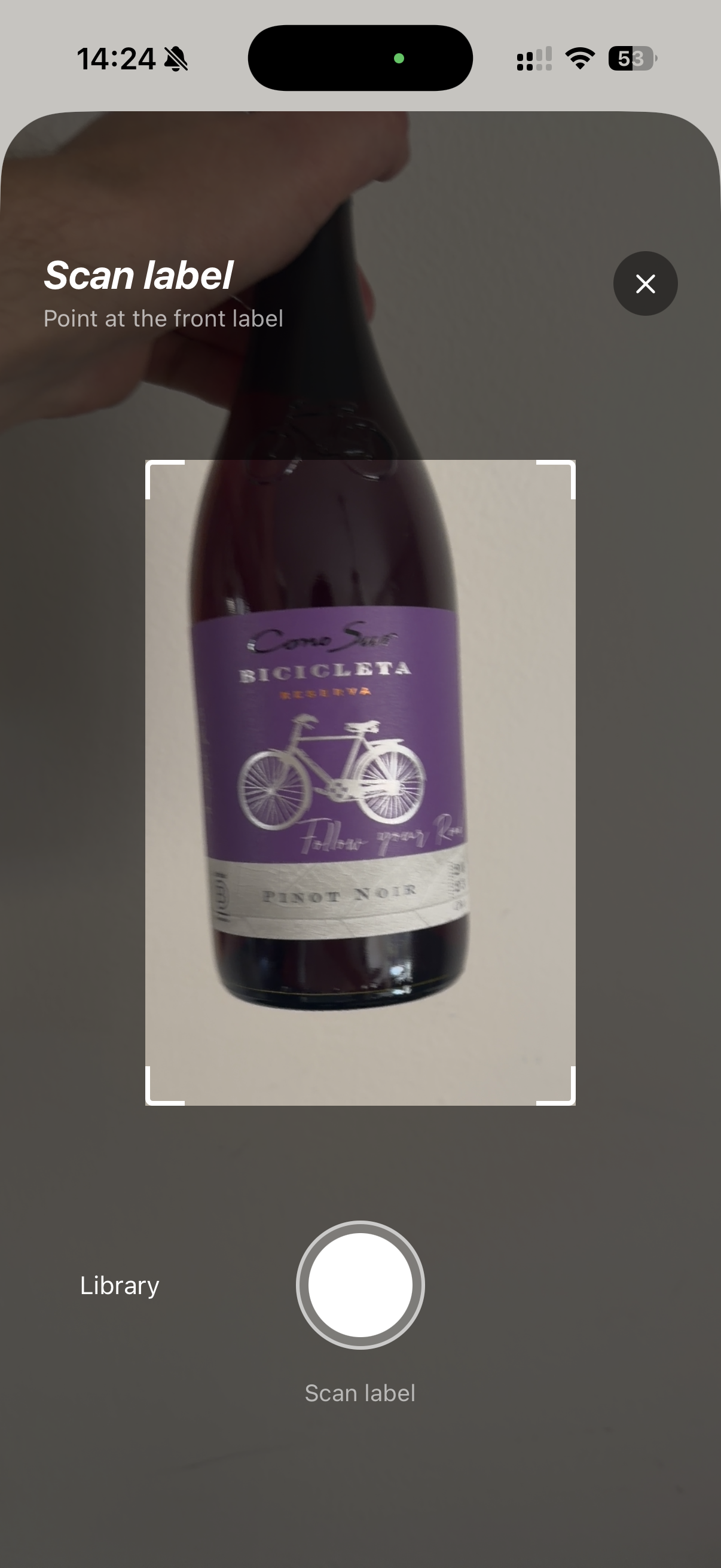
Very high acidity, almost no tannin, dark cherry fruit. It was made in a country that eats tomato sauce constantly and it shows. Barbera d'Asti with a Margherita is close to a perfect pairing at a fair price.
Italian
Pizza is tomato before it is anything else, and tomato is acidic. A wine with less acidity than the sauce tastes flat and slightly sweet next to it, which is why so many expensive bottles disappoint here and a cheap Italian red sings.
Before you pour
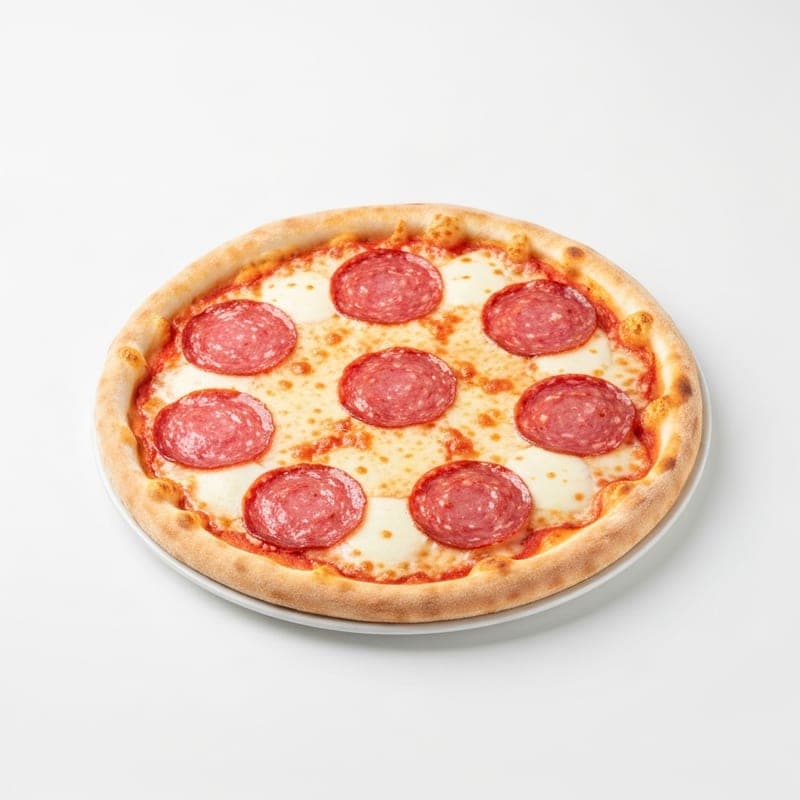
Toppings shift it, but not as much as people think. The base of tomato, salt and melted cheese dominates; pepperoni adds fat and spice, mushroom adds earth, and a white pizza changes the equation completely by removing the tomato.
4 wines that work
Very high acidity, almost no tannin, dark cherry fruit. It was made in a country that eats tomato sauce constantly and it shows. Barbera d'Asti with a Margherita is close to a perfect pairing at a fair price.
The obvious answer and still a good one. Sangiovese's acidity matches the sauce and its savoury, herbal edge picks up oregano and basil. Better with a loaded pizza than a simple one, since it brings more tannin than Barbera.
For pepperoni or sausage specifically. The ripe, brambly fruit and slight sweetness handle spiced fatty meat and a charred crust in a way leaner Italian reds do not.
For white pizza, or anything with potato, gorgonzola or truffle oil. Take the tomato away and the acidity requirement drops; a crisp neutral white lets the cheese and the crust do the talking.
Big oaked reds. Cabernet and Napa blends fight the tomato acidity and lose, ending up tasting hollow and slightly bitter. Save them for the steak.
Chill the red. Fifteen minutes in the fridge takes a Barbera to around 14°C, where the acidity reads as refreshing rather than sharp.
At the shop or the table
SomeWine identifies any wine from the label, shows the pairing notes, and can suggest what to open from your cellar based on what you're cooking tonight.
Download SomeWineKeep going