01Top pick
Grüner Veltliner
White pepper, green herbs and high acidity, with a savoury streak that meets umami rather than fighting it. The best all-round choice across shoyu, shio and miso.
Japanese
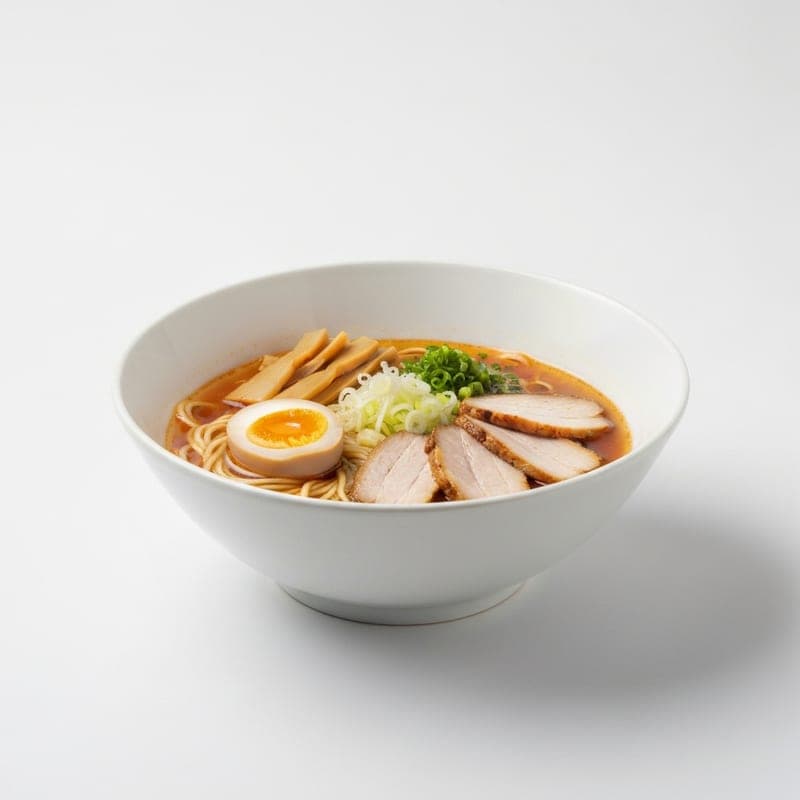
Ramen is a broth problem. Tonkotsu is fatty and porky, shoyu is salty and savoury, miso is sweet and funky, shio is delicate. All of them are loaded with umami and salt, which is the hardest combination in food for tannic red wine.
Before you pour
Umami makes tannin taste harsher and fruit taste thinner, which is why a big red with a bowl of ramen tastes bitter and metallic. Salt does the opposite for acidity, making a high-acid wine seem softer and rounder.
4 wines that work
White pepper, green herbs and high acidity, with a savoury streak that meets umami rather than fighting it. The best all-round choice across shoyu, shio and miso.
Bubbles and acidity scrub pork fat off the palate between mouthfuls, and the bready lees character sits beautifully with a rich broth. Extravagant with a bowl of noodles, and completely worth it.
If you want a red, keep it light, low-tannin and cool. Village Burgundy or Willamette Pinot has the earthy, mushroom register that miso and pork broth reach for.
Dry or off-dry, both work. The acidity handles the salt and the aromatics lift a heavy bowl. Off-dry earns its place if there is chilli oil involved.
Tannic reds. Umami plus tannin is the single most reliably bad pairing in this whole guide: Cabernet with tonkotsu tastes of metal.
Order the wine to the broth, not to the toppings. A chashu-heavy shio bowl still wants the crisp white; the broth is what you taste on every spoonful.
At the shop or the table
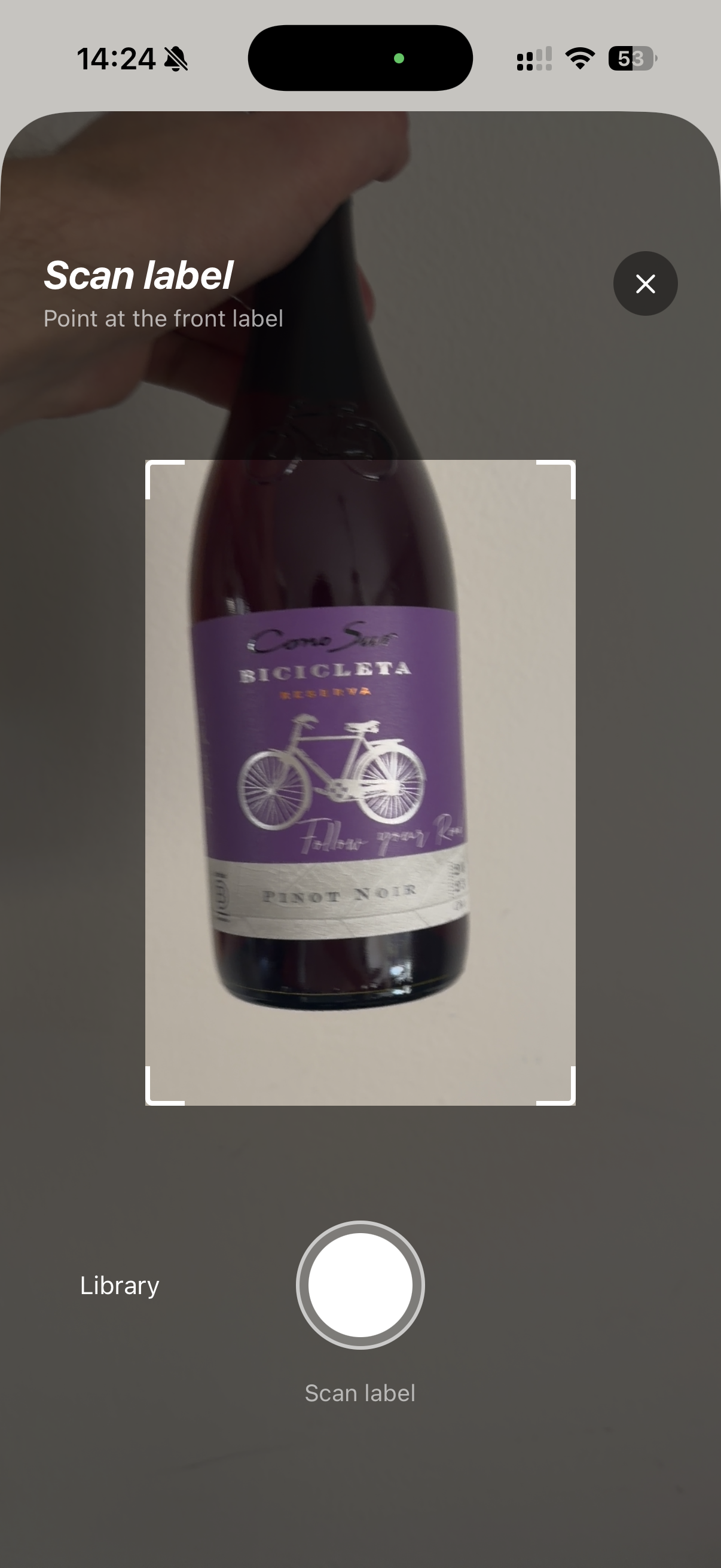
SomeWine identifies any wine from the label, shows the pairing notes, and can suggest what to open from your cellar based on what you're cooking tonight.
Download SomeWineKeep going